

The Feeling of Not Belonging 那些说不出口的格格不入
The Invisible World 看不见的情绪图鉴 · Vol.01

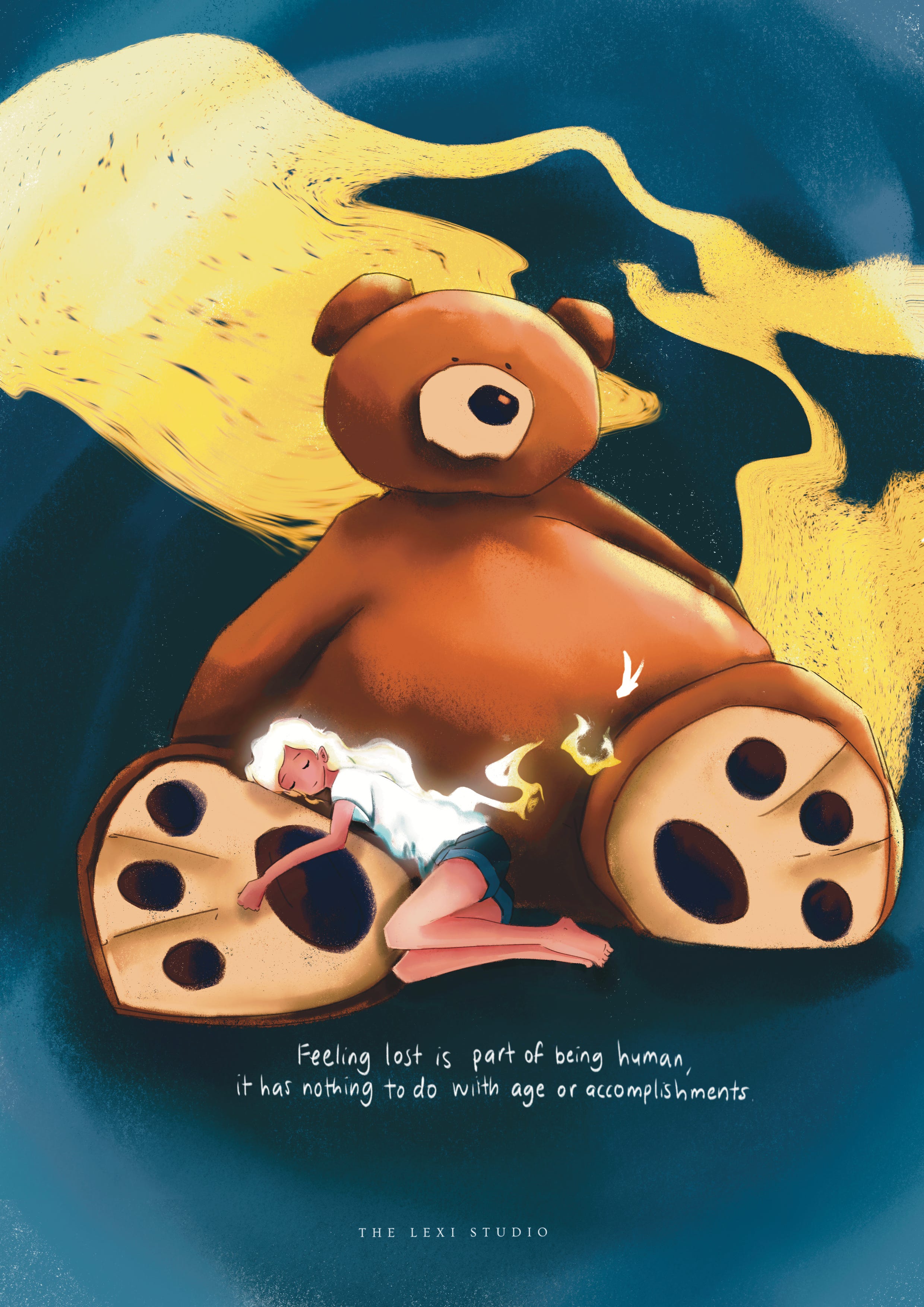
Writing to See Myself Again
I sat in front of my laptop for a long time, hesitating. What should I write for my first Substack post?
I’m not sure when it began, but over time I’ve grown overly cautious—even with small things. Just like this simple entry, I’ve gone over it in my head again and again, writing and rewriting, unsure if I should hit “publish.”
Maybe it comes with age—perhaps the older we get, the more careful we become.
Truth is, this is the third time I’ve started a new Substack. In the past, I’d post something, then delete it, only to try again, and delete it again. I kept second-guessing what I wrote, and deleting it always left me with a quiet sense of defeat. But this time, I’m giving myself a small promise: even if no one reads it, I want to rebuild the habit of writing, slowly and honestly.
I’m returning to Substack because I want to continue a personal illustration series I started earlier this year, called The Invisible World – A Visual Diary of Unseen Emotions.
Alongside that, I hope to share small stories about my life as an immigrant in the UK—those quiet feelings and subtle realisations that accumulate over time.
The Feeling of Not Belonging
This is my fifth year living in the UK.
Though I’ve met many wonderful colleagues and made new friends, as a Chinese, I still often feel like I don’t quite belong. The cultural differences form an invisible wall—nothing obvious, yet it leaves me with a lingering sense of disconnection. Like something is missing, though I can’t explain exactly what.
The cultural differences are subtle, like a wall you can’t see but still feel pressing against your skin. There’s a faint, persistent sense of missing something you can’t quite name.
And what unsettled me even more was noticing how my ability to express myself in Chinese was fading.
I used to take pride in my writing, in how words helped me process life. But in recent years, my vocabulary has shrunk—replaced by corporate language, emails, and polished phrases. The soft, true voice I once had has grown distant.
So this time, I’ve decided to write in both languages.
It’s my way of returning to the words I once loved, and slowly making my way back to a version of myself who wasn’t so afraid to express things honestly.
Drawing and Writing My Emotions
These past few years of living in the UK have often left me in a quiet, in-between state—emotionally foggy, unsure of who I am or who I’m supposed to be. It wasn’t quite insecurity, but something deeper. A subtle, hard-to-explain sense of disconnection from myself.
Later, I learned there’s actually a name for this feeling in psychology: identity crisis.
The term was first introduced by psychologist Erik Erikson to describe those life phases where we lose clarity about our roles, our values, or our sense of self.
Living between two cultures, constantly shifting between languages, mindsets, and expectations, I often found myself quietly wondering:
“Where do I truly belong?”
“Am I part of this place?”
“Or am I always going to be on the outside?”
For a time, I tried hard to blend in with my British-born colleagues. I even felt embarrassed about my Malaysian accent, so I spoke less and avoided expressing my opinions—thinking it would help me “fit in.” But the more I silenced myself, the more I lost the spark that made me who I was.
Eventually, I realised this discomfort wasn’t just cultural. It was a sign that deep down, I hadn’t accepted the fact that I am, and always will be, a little different.
Now, I’m slowly learning that being different is not a flaw—it’s a kind of strength. Cultural difference isn’t something to hide, but something to honour. So now, I embrace my in-betweenness. I embrace my love for the Chinese language. I embrace my taste for familiar spices, for a bowl of rice that feels like home. I embrace my identity as an immigrant, as someone whose roots grow in more than one place.
Because a true sense of belonging doesn’t come from being accepted by others—it begins with accepting yourself.
These subtle, invisible emotions rarely show themselves clearly, but they quietly shape how we see ourselves. So I started drawing. I started writing. And through it, I hope to gently document those unspeakable feelings—one at a time.
xoxo
Lexi


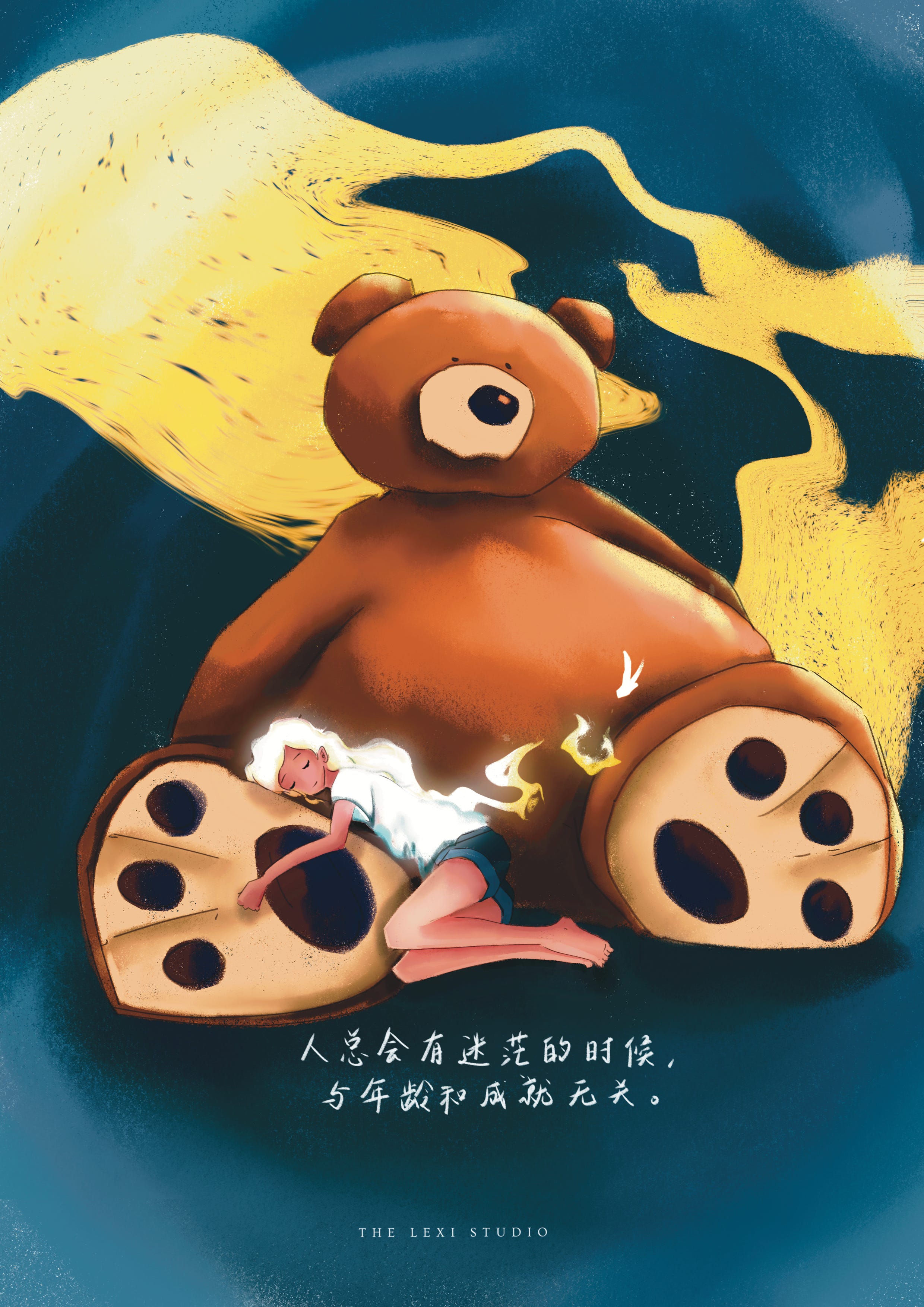
写,是为了看见自己
坐在电脑前,我犹豫了许久。Substack 的第一篇文章,该写些什么好呢?
不知从什么时候开始,做起一件小事,我都变得战战兢兢,犹犹豫豫。就像现在这一篇简单的分享,我在脑海里过了一遍又一遍,删删改改,还是迟迟不敢按下「发布」键。
也许是因为年纪渐长,越活越小心翼翼了吧。
事实上,这已经是我第三次重新开设 Substack 的账号了。之前也是写写删删,又写写又删删。写的时候总觉得不够好,删的时候又有些不甘心。可这一次,我想给自己一个小小的承诺:不管有没有人阅读,我都想慢慢重新养成写作的习惯。
我决定回到 Substack,是因为我想继续年初开始的插图系列《The Invisible World – 看不见的情绪图鉴》。也想写一些移民到英国的生活小故事,记录那些日积月累的小情绪、小顿悟。
那些说不出口的格格不入
这是我在英国生活的第五个年头。虽然这段时间认识了不少新同事、新朋友,也渐渐习惯了这里的节奏,但身为华裔的我,依然常常觉得自己在这座城市里,有点格格不入。文化的差异是一种无形的墙,让我有时候觉得缺了点什么,说不上来,也抓不着。
更让我在意的是,我记得的中文词汇,越来越有限。曾经我以文字为傲,喜欢写、也爱写。但这几年,我的语言被逐渐替换成公式化的商业用语,那些柔软、真实的笔触,好像慢慢被我遗忘了。
所以这一次,我想以双语的方式,一点一点找回写作的快乐。重新靠近文字,也重新靠近那个不那么小心翼翼、勇敢表达的自己。
我想用画和文字,把情绪留下来
搬来英国后的这几年,我常常陷入一种模糊的心理状态,不确定自己是谁,也不确定自己应该是什么样的人。这种感觉和自卑不一样,它更像是一种深层的、说不出口的迷失。我后来才知道,原来这是一种心理学上称作的「身份认同危机」(Identity Crisis)。
这个词最早是心理学家 Erik Erikson 提出的,用来形容人在某些生命阶段会出现的自我迷失和角色混淆。而移民生活,正是让我重新面对这场「我到底是谁」的内在辩论。
在中西文化之间来回切换久了,我有时会不自觉地想:
「我到底属于哪里?」
「我能否被当作其中的一份子?」
「还是,我只是个永远的过客?」
我曾努力地想融入土生土长的英国同事,刻意掩饰自己马来西亚的口音,为了不让自己显得「不同」,开始减少发言、压抑个性,甚至不再主动表达观点。那段日子里,我原本引以为傲的语言、文化品味、甚至个人特质,好像都一点一点被磨平了。
直到某天我才意识到,这种不安来自我内心还没真正接受「我就是不一样」这件事。
但我现在慢慢明白了:文化的不同不是缺陷,而是一种力量。我不再试图去迎合所谓的「主流」,也不再为自己的口音、自我认同而感到羞愧。我开始接受自己的格格不入,接受我热爱中文与中餐的味蕾,接受我作为一个移民背景华裔的复杂身份。
因为真正的归属感,不一定来自「被谁认同」,而是来自「你有没有认同你自己」。
这些隐隐的情绪,从来都不是显眼的,却一直影响着我们如何看待自己。于是我开始画,也开始写,希望能把这些说不清楚、藏在心里的“看不见的情绪”,一一记录下来。
xoxo
Lexi
Thank you for reading. On Substack, I’ll be sharing the stories behind my illustrations, and my journey as an artist, writer, and lawyer. If you’re interested in behind-the-scenes content or drawing tutorials, you’re welcome to join me on Patreon.
感谢你的阅读。我会在 Substack 分享插画背后的故事,以及作为插画师、写作者和律师的创作旅程。如果你对创作过程或绘画教学有兴趣,欢迎加入我的 Patreon,一起看见那些看不见的世界。